The How Behind the Who: Bringing Your People Along as You Turn Services into Software
Episode Summary
Ask founders who is turning their services into software and most have an answer: no one yet, the team when they can get to it, a dedicated person, or an outside partner. Very few can explain how that work is organized. Sel Watts, founder and CEO of wattsnextpx, sees firms get stuck at “we can’t afford a full time person.” She argues the real question is who designs the work, who builds it, who checks the output, and how everyone else comes along. In this session, Sel shows why AI doesn’t make your people less valuable. Their value shifts from doing the work to checking it, and you have to plan for that shift and teach it.
About the Guests
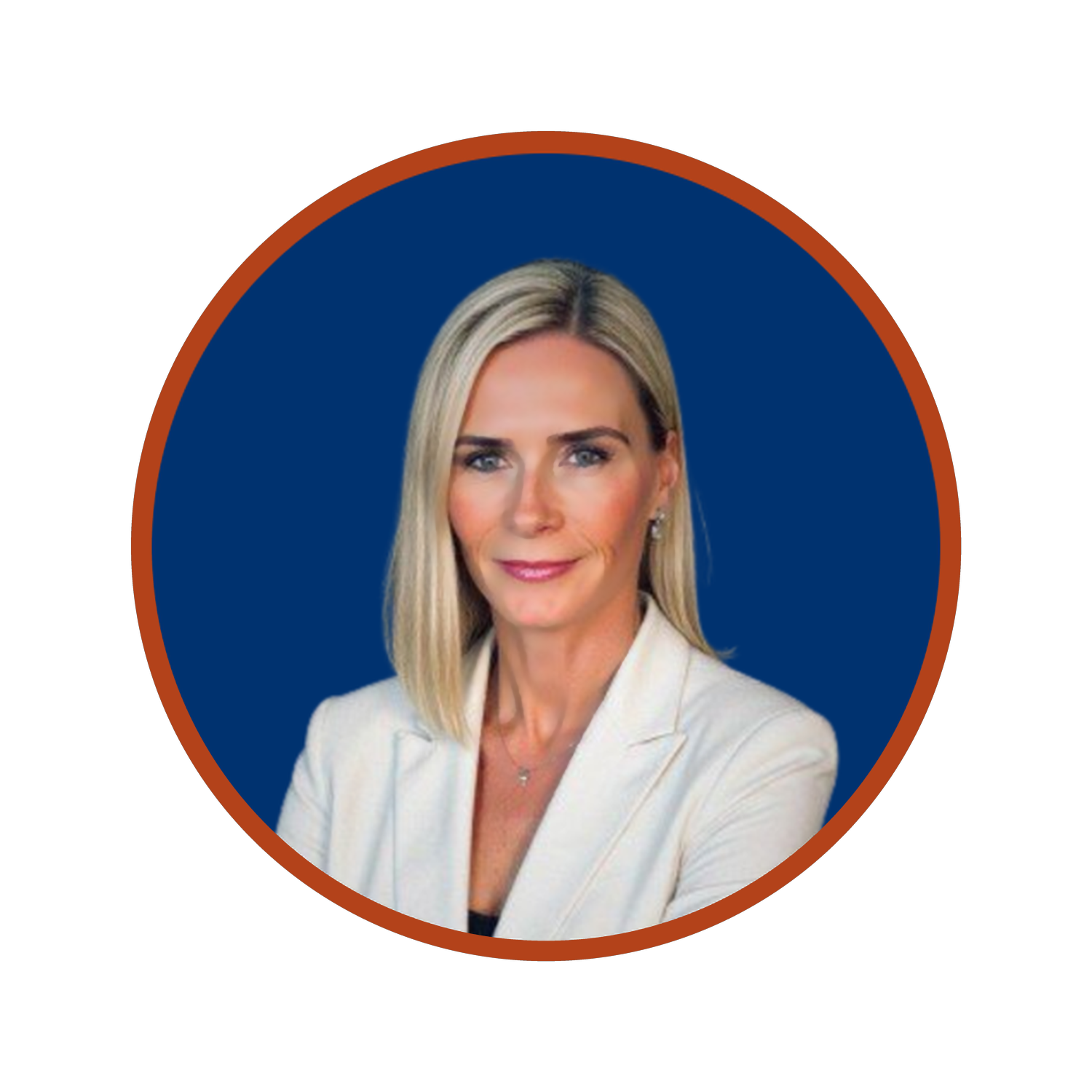
Sel Watts is the founder of wattsnext Group, an internationally recognized HR and people management consultancy helping small to medium businesses and fast-growth startups build high-performing cultures.
Key Takeaways
- The four roles that have to be defined before AI-assisted service delivery works: who designs the work, who builds it, who checks the output, and how everyone else comes along
- How to pick AI champions inside your firm — the traits that predict who will actually get started versus who will stay stuck
- Four questions to ask before AI-generated output reaches a client — the judgment layer your team has to own
- Why “we can’t afford a full-time person” is the wrong frame: the real question is how the work is organized, not whether you can hire a dedicated seat
- AI doesn’t make your people less valuable — it shifts their value from doing the work to checking it, and that shift has to be planned and taught
- Most firms stall on people, not software — and founders rarely know what their team actually thinks about the change until it’s too late
Full Transcript
Jeff Klaumann: Hey everybody, welcome to the Pro Serv Podcast, brought to you by Collective 54. I’m Jeff Klaumann, I’m the president of Collective 54, and I’m your host. If you’re new to the show, here’s what we’re all about — helping you do three things: make more money, make scaling easier, and make an exit achievable. Everything we record here is built exclusively for boutique professional services firms, so if you’re in the expertise business, if you market, sell, and deliver expertise, this show is for you.
Most of us assume that turning our services into software is a tool and a talent problem. Find the right builder, and the rest takes care of itself. At our reunion last week, founders compared notes on who owns that work at the firm. Most tables could answer the who. Very few could explain the how. And that’s the show for today.
To help us think through it, I have Sel Watts on the show. Sel is the founder and CEO of Watts Next PX, a people strategy firm that works with professional services founders. She started Watts Next 19 years ago, and she has now built two firms across two countries. She’s been a Collective 54 member since 2021, and she led the room on this exact question at our reunion. I can tell you, she does not let founders off the hook when it comes to their people. So, Sel, welcome to the show, great to have you. I gave everyone the headline, so in a minute, why don’t you take a moment and introduce yourself and your firm.
Sel Watts: Thank you so much, Jeff, and thank you for hosting another awesome reunion. If anyone hasn’t been to a C54 reunion, you must, because they are fantastic.
So, yes, we have the conversation about AI and people, of course — that is really at the forefront of everything that’s happening right now. How do we make sure that we are doing this properly? And there’s the part about how do we make sure that our people are feeling okay about this. Obviously a lot of people are feeling threatened, or they’re worried about their jobs, or they don’t agree with AI, and then there are others that are really excited. So you’re probably finding in your workplaces at the moment there might be a mixture of emotions and feelings around the AI, wherever you are at in introducing it.
When thinking about who to get involved — maybe a year ago, or gosh, time flies, the beginning of this year — we were all sort of just playing around and seeing how everything works, and it was very, very important for the founder to lead that. But now we’re realizing that everyone’s in there having a go, and we have to have a little bit more control over what is our firm’s way of using AI. And how do we go about bringing everyone together and making sure that it’s actually going to work?
Jeff Klaumann: That’s fantastic. So at the reunion, you put one question in front of the room, and then there were table discussions: who is turning your services into software at your firm? What did you hear at the tables, and why is the who the wrong place for this conversation to really stop?
Sel Watts: Yes, so in the different conversations we heard, a lot of people had gone out to external consultants — AI consultants — and brought them into their firms. We heard some really scary stories about investments made in bringing in external people. A lot of people have tested that, but are finding that they really need to have a better understanding of it themselves before bringing people in — though I guess it also depends on who you’re bringing in. So there’s that element. And then there were people where the founder was the one researching, implementing, and leading, and in some cases — one story I heard — leaving the team behind. They’ve now recognized that they’ve got all these great ideas and are able to do things, but they didn’t bring the team along with them.
There were actually two examples of another story, and one was on my table. One of the people on the team was initially pretty against AI, or very, very tentative with it, and then took some time, had a play around, and completely transformed a part of the business that they just did themselves, and then brought it to the founder. I heard two of those examples during the reunion, so that’s really interesting too.
But the way that we look at it — and it depends on the size of your team as well — a lot of the talk these days is about having AI champions, and the assumption is that the AI champion should be the one that’s most excited about AI, or the one that’s been playing with it for the last year and knows all the things, and they should take control and run with it. That’s not necessarily the case. I believe there are certain stages of implementation and usage of AI, and they require different styles of behavior.
When we look at the behaviors that AI needs in a workplace, we look at four: explore, validate, operationalize, and engage. Explore is the person who is trying things — they’re happy with making mistakes, they’re good at tolerating rough first attempts and the risks, the person who says, let’s just see how this works, what can we do with this? That type of person is a great person to explore for the firm.
Then we have someone who should be validating — really testing: okay, that sounds like a cool idea, let’s see if it’s actually useful. What’s the risk here? Is it actually going to give us accurate information? How do we apply the human judgment? You can see that’s a different style of behavior, or style of thinking, than the first person I described for explore.
Then you’ve got operationalize, and that’s the person who turns the good idea into a repeatable, owned way of working. They say, okay, now how do we make this part of what we do? It’s going to take over that old process. This is how we’re going to do it, this is how we’re going to make it repeatable, train everyone, and ensure that we keep it up to date. Who is that? That’s another style of person. And then you’ve got the one who engages everyone — gets the colleagues using it, keeps the two-way feedback loop happening, and is really the advocate: yes, this is great, we should all be looking at this into the future, it’s a great thing for us, no one needs to be scared, let’s all get on board.
If you’re thinking about your AI implementation in your business — and when we say implementation, it sounds like you put it in once and then it’s done, and we all know that’s not the case. This is a constant, everyday job now of looking at what’s new and how you can use it. But think about those different behaviors that are required in your AI implementation, and then think about who in your team actually fits each of them. Am I missing someone?
Because what we find is — we did some work with a firm earlier this year, and they had the explore: the founder was really excited to try things. They were also very engaging, bringing the energy. And they had someone who was coming up with ideas and validating — this is cool — and then that was that. They’d seen all these things, they had all these amazing ideas, this would actually work for us, we could do huge things — and then no one to actually operationalize it. So: all the great ideas and nothing ever happening.
We also found this in our own team. I was really excited about all the ideas, and I’ve got a good lot of team who are good at validating, but then we had to operationalize — who was going to be responsible for that? We really had to have a conversation and allocate people’s jobs in our team, because no one was naturally able to take that on — we’re a small team — and without the operationalize, nothing’s happening. So thinking about that with your team, I think, is critical.
Jeff Klaumann: That’s great guidance, Sel, and I like the way you structured that into the different types of personas or roles that people need to fit within.
For a lot of people, of course, this isn’t a software change — it’s very personal. Some of them are quietly wondering about their job and about their future, and I hear founders saying, I’m going to use my people’s skills on more valuable things. So how does a founder bring the team together and rally behind that? And how do you tell where each person is within that arc, if you will, of fear versus acceptance?
Sel Watts: So the thing with this is that as founders, we can’t necessarily guarantee that we’re going to keep all the jobs, even if our intention is that we’re going to keep everyone and have them doing things that are more valuable. We don’t know that — in 6 months’ time, we may just not need that. And so it’s really hard for founders to say, no one’s going to lose their jobs, we’re going through this together. Recognizing that is just hard in itself.
But like any change management or communication to a team, this is what I always say. When you are having these conversations, bring the team together, communicate as much as possible about what you’re trying and the benefit. And most importantly, whenever you’re giving messages, each person receiving that message is thinking: how does this impact me? If you don’t answer that question for each individual, they will answer it themselves in their head, and it will be negative. It’s just human nature. They’re thinking, wow, that’s half of my job — am I just going to be working part-time now? If you don’t answer those questions when you’re communicating the plans, they will be answering for you, and then you get a lot of fear and morale issues. That is one thing I would always recommend, and you can use it for any communication.
One of the things we’ve done recently — we had a team of people who were very worried and very nervous about AI, and we ended up restructuring and designing their roles. We call them outcome profiles. We showed them what part of their role is done by them, the human, and what part is done by AI — so they’re sort of leading or managing the AI — and they could see the AI in their job description alongside them. And they’re still full-time roles. When they could see it on paper, it was easier for them to understand. That was one way we did it, and it was really successful.
Jeff Klaumann: That’s fantastic. I like the idea of including the managing of AI within their role. Just as you said that, I could envision how somebody would feel differently than feeling like it was me or AI.
Sel Watts: Yes, exactly.
Jeff Klaumann: That’s wonderful. I noticed that you wrote an article this summer about how, when AI shows up, the value of people doesn’t just disappear — it often moves. And of course in Collective 54 we talk all the time about judgment. So when you’re working with clients, how do you reinforce that change in what they do — applying more judgment and maybe less of the easy analysis that AI is so good at?
Sel Watts: Yes, well, I think this is where a lot of professional services firms are really seeing the experts in their teams. It shows if people don’t actually have the expertise that we really need — what our clients are paying us for. But I will say — and I said this pre-AI — it’s about direct training from the founder to the team: why we do things the way we do, why we strategize this way, why our clients think a certain way. I’ve always advocated for that in professional services, and I don’t think there’s enough of it. It doesn’t have to be create a PowerPoint — it’s sitting around saying, let me explain to you a little bit more about our client and why they do this, or why this is so important when we think about these things. That is so critical regardless, and I would like to see people talking more about these conversations they’re having, because ultimately our clients are buying our judgment, our strategy, the way we see things, our experiences of what we’ve seen in the past. So our team needs to understand that too.
Jeff Klaumann: That’s great guidance. So, one final question, and then we will wrap up. If a member did one thing this week to start building the how, and not just naming the who, what should it be?
Sel Watts: At this stage, I would write down everyone in your company that is carrying AI — and that might actually be everyone, depending on the size — and I would think about explore, validate, operationalize, and engage. Put a tick next to who in that team aligns to those things and where the gaps are, because those gaps will tell you your risks and what you need to do next with your people. That would be the first simple thing, and it would give you a lot of information.
Jeff Klaumann: Fantastic. Well, Sel, first off, thank you for hosting the table exercise at the reunion. I appreciate that. And thank you also for taking what wasn’t covered — the how side of things — and talking about it today. That’s a real contribution to the Collective, and I greatly appreciate it. Thank you for being here today.
Sel Watts: Thank you, Jeff.
Jeff Klaumann: Members, Sel Watts will be joining us for our private member Q&A, where you can ask her your questions directly. All right, two calls to action for you, and we will wrap up. First, if you’re not a member and you want to keep this conversation going, head over to Collective54.com and start a conversation with our AI agent. Second, our founder Greg Alexander has a new book coming out. It’s called The AI Native Boutique Firm: How Founders Build More Valuable Firms When Services Become Software. It is now available for pre-order on Amazon, so check it out. Thanks for listening. Until next time, I wish you the best of luck as you grow, scale, and someday exit your firms.
Related Episodes
Ready to build an AI-Native boutique firm?
Collective 54 is built for founder-led boutique professional services firms. Membership is by application — it starts with a conversation.